 Rubens Perdomo
1 min read
Digital Fraud Is Evolving: How Businesses Can Stay Protected
 Rubens Perdomo : Mar 4, 2026, 12:00:00 AM
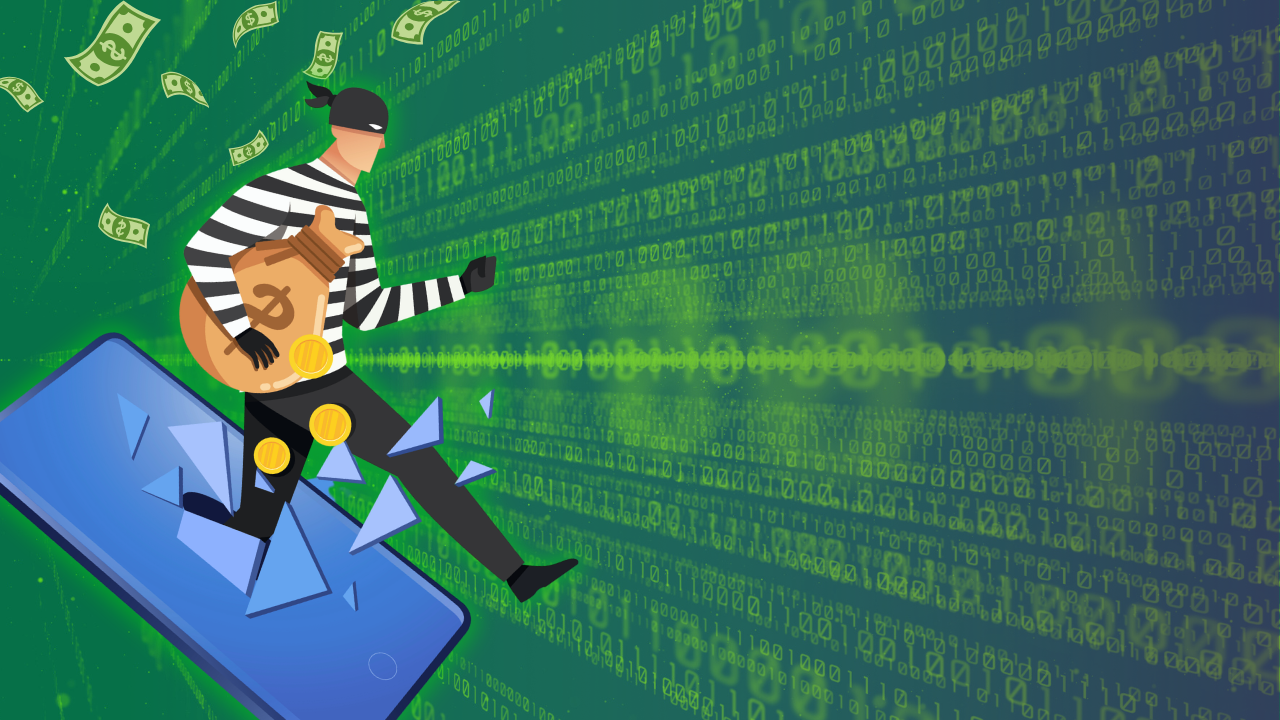
Scams aren’t what they used to be.

If phishing scams are supposed to trick people, why do so many of them still feel clumsy?
For years, the answer was simple: most scams were mass-produced.
Attackers would create one fake email, one imitation login page, and send it out to thousands—or even millions—of people. The quality didn’t need to be perfect. It only needed to be convincing enough for a small percentage of recipients to fall for it.
And that approach worked.
Even today, many phishing emails still contain awkward phrasing, poor formatting, or slightly off branding. Those imperfections have actually become part of how we identify scams.
But that model is starting to change.
The traditional phishing model is still widely used, but cybercriminals are evolving their tactics.
Instead of relying purely on volume, attackers are beginning to focus more on precision and adaptability.
When generative AI first entered the mainstream, there was a lot of discussion about “dynamic websites”. These are sites with pages that would automatically change based on who was visiting them. The idea was that content could be tailored in real time using data like location, device type, or browsing behavior.
For most legitimate businesses, this concept never fully took off. It proved too complex, too resource-intensive, and often unnecessary for everyday use.
But cybercriminals don’t need perfect systems.
They just need something believable.
Security researchers have already demonstrated how these ideas could be applied to phishing attacks.
While still largely experimental, the concept offers a glimpse into what the next generation of scams could look like.
Instead of sending you to a static fake website, a phishing link could direct you to a page that appears completely harmless at first glance. There may be no obvious malicious code embedded in it—nothing that traditional security tools would immediately flag.
But once the page loads, something more subtle happens.
The site quietly connects to a legitimate AI service to generate content in real time. That content is then assembled and executed directly within your browser.
What you end up seeing is a phishing page that is built specifically for you in that moment.
The wording may reflect your location or language preferences. The layout may adapt to your device. The branding could closely match services you actually use.
There is no single, fixed version of the scam.
Each visitor may see something slightly different.
This shift has serious implications for how phishing is detected and blocked.
Traditionally, security systems rely on identifying known threats, whether that's specific URLs, domains, or page signatures that have already been flagged as malicious.
But if a phishing page is dynamically generated every time it’s opened, there’s no single version to analyze or blacklist.
In effect, the scam doesn’t fully exist until someone clicks the link.
That makes it far more difficult for automated systems to detect in advance.
It also means that the visual cues people have relied on like poor spelling, broken layouts, or generic messaging may start to disappear.
It’s important not to overstate the risk.
This type of fully dynamic, AI-generated phishing attack is not yet widespread in everyday cybercrime.
However, the individual components are already in use.
AI is actively being used to write convincing phishing emails. Malware is increasingly designed to assemble itself during execution to avoid detection. Social engineering attacks are becoming more personalized and targeted.
In other words, while the complete picture is still emerging, the direction is clear.
Phishing is becoming more sophisticated, more adaptive, and harder to recognize.
For businesses, this evolution changes the rules slightly.
In the past, cybersecurity training often focused heavily on helping employees spot obvious red flags:
- misspellings, strange URLs, or unusual formatting.
Those skills are still valuable, but they are no longer enough on their own.
Future phishing attempts may look polished, professional, and entirely legitimate at first glance.
That means security can’t rely solely on people “catching mistakes.”
Instead, modern protection strategies focus on reducing risk even when a mistake happens.
No organization can guarantee that no employee will ever click a suspicious link.
The goal is to ensure that if it happens, the impact is limited.
This is where layered security becomes essential.
Multi-factor authentication (MFA) adds a critical safeguard by requiring an additional verification step, even if login credentials are compromised. Secure email filtering can block many threats before they reach inboxes. Endpoint protection and browser security tools can help detect suspicious behavior after a link is clicked.
Together, these measures create a safety net. One where perfection isn't a requirement, so human error can be accounted for and planned around.
Phishing will never stop being a problem business deal with.
If anything, it’s becoming one of the most refined and effective tools in a cybercriminal’s toolkit.
As AI continues to evolve, scams will likely become more personalized, more convincing, and more difficult to distinguish from legitimate communications.
That doesn’t mean businesses are powerless.
It simply means the approach to security needs to evolve as well.
The most important shift is in mindset.
Instead of assuming scams will always be obvious, it’s safer to assume the opposite: that the next phishing attempt you see could look completely legitimate.
From there, the focus becomes building defenses that don’t rely on spotting flaws, but instead protect your systems regardless of how convincing a threat appears.
If you’re unsure how well your current security measures would hold up against more advanced phishing attacks, now is a good time to find out.
Want to check how exposed your business is? Get in touch.

1 min read
Rubens Perdomo : Mar 4, 2026, 12:00:00 AM
Scams aren’t what they used to be.
1 min read
 Mike Brattain : Dec 1, 2023, 8:00:00 AM
The threat of ransomware looms large over businesses across various industries, with the latest insights from the Verizon 2023 Data Breach...

1 min read
Mike Brattain : Oct 1, 2025, 12:00:00 AM
Cloud vulnerability continues to challenge organizations that rely on cloud services for scalability and agility. As workloads expand across multiple...